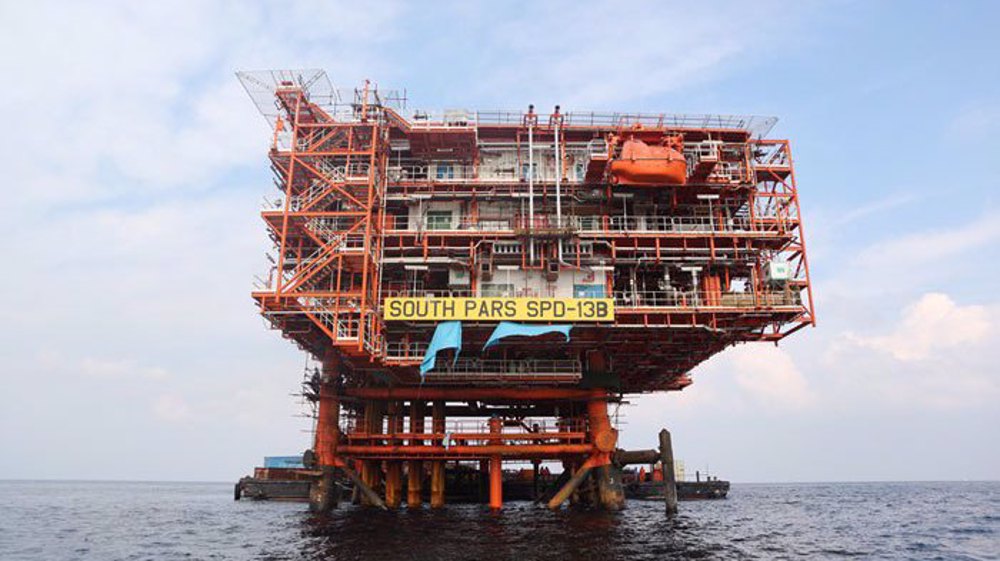
Geostrategic Influence: South Pars/North Dome's Massive Gas Reserves
In the heart of the Persian Gulf lies an energy behemoth, a colossal natural gas field that dwarfs all others: the
South Pars/North Dome Gas-Condensate Field. This shared geological marvel, jointly owned by Iran and Qatar, is not merely the planet's largest natural gas reservoir; it is a fulcrum of global energy security, a driving force for regional economies, and a potent symbol of international geopolitical dynamics. Its sheer scale and strategic location imbue it with an unparalleled geostrategic influence, making it a constant subject of international interest and, at times, contention. Understanding this field is crucial to grasping the complexities of energy markets and Middle Eastern geopolitics.
A Colossal Hydrocarbon Treasure Trove: Unpacking the Reserves
The statistics surrounding the South Pars/North Dome field are staggering, solidifying its status as the world's most significant conventional hydrocarbon accumulation. According to estimates by the International Energy Agency (IEA), this single field holds an incredible 1,800 trillion cubic feet (51 trillion cubic metres) of in-situ natural gas. To put this into perspective, its recoverable reserves are nearly equivalent to all other known natural gas fields combined. Beyond natural gas, the field also contains approximately 50 billion barrels (7.9 billion cubic metres) of natural gas condensates – valuable light petroleum liquids extracted alongside natural gas.
When converted to oil equivalent, the recoverable gas alone represents some 215 billion barrels. Adding the approximately 16 billion barrels of recoverable condensate, the total recoverable hydrocarbons from this field reach an astonishing 230 billion barrels of oil equivalent. This immense wealth underscores why the South Pars/North Dome is not just a geological curiosity but a vital strategic asset, underpinning the energy futures of nations and shaping global supply chains. Its capacity to fuel economies and industries worldwide grants it a unique and enduring impact on global affairs.
The Shared Giant: Geopolitical Tensions and Unequal Exploitation
The physical division of the
South Pars/North Dome Gas-Condensate Field across international maritime borders adds a layer of complexity to its already immense significance. Covering a total area of 9,700 square kilometres (3,700 sq mi), the field is split, with 3,700 square kilometres (1,400 sq mi) falling within Iranian territorial waters (known as South Pars) and 6,000 square kilometres (2,300 sq mi) residing in Qatari territory (designated as North Dome). Interestingly, the "North" Dome lies geographically southwest of "South" Pars, a nomenclature relative to each owning country.
This shared ownership presents both opportunities for cooperative development and potential flashpoints for dispute. In practice, historical data reveals a significant disparity in how the two nations have exploited their respective portions of the field. For instance, in the period leading up to 2026, Qatar was reportedly producing an impressive 18.5 billion cubic feet (520 million cubic metres) of gas per day from the North Dome. This staggering output accounted for approximately 80% of Qatari government revenues, transforming the small emirate into one of the world's wealthiest nations per capita and a leading global exporter of Liquefied Natural Gas (LNG).
In stark contrast, daily production on the Iranian side (South Pars) was estimated to be significantly lower, around only 2 billion cubic feet (57 million cubic metres). This considerable gap is often attributed to a confluence of factors impacting Iran, primarily Western sanctions, which have stifled foreign investment, hindered access to crucial technology, and isolated the country from international energy markets. Furthermore, internal mismanagement and a lack of sufficient investment in infrastructure and maintenance have reportedly led to inefficient exploitation. A critical technical consequence of this underinvestment is Iran's lagging pressurization efforts, which can cause natural gas to migrate from the Iranian side to the more actively exploited Qatari side, effectively "losing" valuable reserves across the maritime border. This imbalance creates significant economic disparity and serves as a constant point of strategic leverage and regional tension.
Economic Lifeline and Regional Flashpoint: The Geostrategic Nexus
The economic divergence stemming from the South Pars/North Dome's exploitation patterns profoundly impacts the regional power balance. For Qatar, the North Dome has been a catalyst for unprecedented economic growth and geopolitical influence. Its massive LNG exports provide significant leverage in global energy markets, allowing Qatar to forge strong diplomatic ties and exert soft power far beyond its geographical size. The revenues have funded ambitious infrastructure projects, diversified its economy, and enhanced its national security.
For Iran, despite possessing a larger portion of the field's area, the struggle to fully capitalize on South Pars represents a colossal missed opportunity. The inability to maximize extraction and processing capacity due to external pressures and internal challenges has deprived the nation of vital revenue streams that could otherwise alleviate economic hardship, fund development, and strengthen its regional standing. This disparity fuels internal frustration and contributes to Iran's more assertive, and at times confrontational, foreign policy as it seeks to offset perceived economic disadvantages. The situation makes the South Pars/North Dome not just an energy resource but a critical component of Iran's broader strategic calculus in the face of international pressure.
Tips for managing shared natural resources highlight the importance of joint development agreements, unitization, and transparent data sharing to prevent such imbalances. However, in the highly politicized context of the Persian Gulf, such ideal cooperation often remains elusive, transforming shared prosperity into a source of geopolitical friction.
Safeguarding the World's Largest Gas Field: Challenges and Future Outlook
The immense strategic value of the
South Pars/North Dome Gas-Condensate Field inherently makes it a potential target in times of heightened regional tensions. While specific events can be hypothetical or part of future scenarios, they serve to illustrate the extreme vulnerability of such critical energy infrastructure. For example, a hypothetical event in early 2026 described an attack on sections of the South Pars field by the Israeli Air Force, causing significant damage and disrupting production. Such a scenario, even if fictional, underscores the field's role as a potential flashpoint in broader conflicts. Any disruption to output from this field, whether accidental or intentional, has immediate and far-reaching consequences for global energy prices, supply stability, and regional security. The initial reports from this hypothetical incident indicated nearly 12 percent of Iran's total gas production was affected, highlighting the severity of such an attack.
Looking ahead, both Iran and Qatar face the complex challenge of sustaining production from this mature field. As gas reservoirs deplete, advanced recovery techniques, including enhanced gas recovery (EGR) and sophisticated pressurization projects, become crucial. For Iran, overcoming sanctions and attracting the necessary foreign investment and expertise remain paramount to fully exploit its share and prevent further gas migration. For Qatar, while its production efficiency is high, diversifying its energy portfolio and investing in carbon capture technologies will be vital for long-term sustainability and environmental stewardship. The future of the South Pars/North Dome field will continue to be shaped by technological advancements, market demands, and, most critically, the evolving geopolitical landscape of the Persian Gulf and beyond.
The South Pars/North Dome Gas-Condensate Field is far more than just a source of energy; it is a profound testament to the intricate interplay between geology, economics, and international relations. As the world's largest gas field, its influence permeates global energy markets and stands as a central pillar in the strategic calculations of Iran, Qatar, and indeed, major global powers. Its continued development, security, and equitable exploitation will remain pivotal to regional stability and global energy security for decades to come.